コンプリート! odds ratio vs relative risk cohort 203022-Why is odds ratio better than relative risk
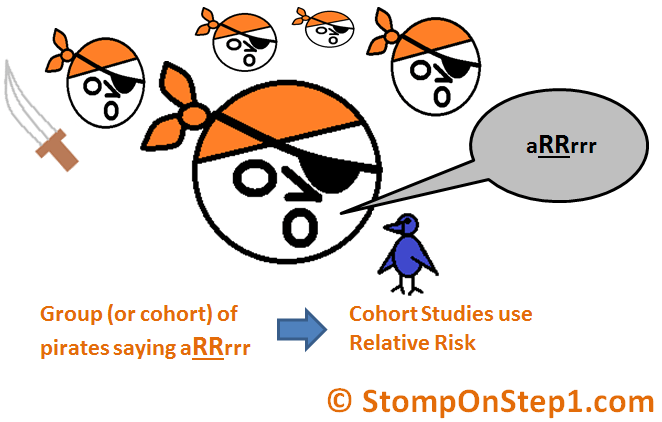
About Press Copyright Contact us Creators Advertise Developers Terms Privacy Policy & Safety How works Test new features Press Copyright Contact us Creators The relative risk tells us the ratio of the probability of an event occurring in a treatment group to the probability of an event occurring in a control group It is calculated as Relative risk = A/ (AB) / C/ (CD) In short, here's the difference An odds ratio is a ratio of two odds Relative risk is a ratio of two probabilitiesOdds ratio (OR) is measure of disease association OR = odds of exposure among cases/odds of exposure in noncases = ad/bc Relative risk (RR)Odds ratio is always larger than Relative Risk, sometimes a lot larger 2 Odds ratios are only useful in true case control studies, which are done because the true incidence of the disease isOne O has an R (cohORt), which means one group
1
Why is odds ratio better than relative risk
Why is odds ratio better than relative risk- Odds ratios are a common measure of the size of an effect and may be reported in casecontrol studies, cohort studies, or clinical trials Increasingly, they are also used to report the findings from systematic reviews and metaanalyses Odds ratios are hard to comprehend directly and are usually interpreted as being equivalent to the relative riskConverting Odds Ratio to Relative Risk in Cohort Studies with Partial Data Information Zhu Wang Connecticut Children's Medical Center Abstract In medical and epidemiological studies, the odds ratio is a commonly applied measure to approximate


Relative Risk Or Odds Ratio For Cardiovascular Disease Incidence Download Scientific Diagram
The odds ratio ((a/c)/(b/d)) looks at the likelihood of an outcome in relation to a characteristic factor In epidemiological terms, the odds ratio is used as a point estimate of the relative risk in retrospective studies Odds ratio is the key statistic for most casecontrol studies The difference between odds ratio and risk ratio • ericminikel The other day I was emailing with a statistical genetics colleague about a rare SNP associated with a phenotype I stated that the minor allele frequency (MAF) was 07% in cases and 01% in controls, for a risk ratio of 7 After clicking send, I felt a twinge of regret Relative risk is actually the ratio between incidence of outcome/disease among exposed people and that among unexposed people It is usually used in a cohort study where there is a definite population under study and we can calculate incidence rates Hence it is a direct and accurate value compared to odds ratio
Subsequently, the term relative risk commonly refers to either the risk ratio or the odds ratio However, only under certain conditions does the odds ratio approximate the risk ratio Figure 1 shows that when the incidence of an outcome of interest in the study population is low ( ODDS RATIO An odds ratio is the odds of the event in one group , for example, those exposed to a drug, divided by the odds of the event in another group not exposed Odd ratio in epidemiology In case control study since the incidence is not available so relative risk can not be calculated directly Therefore Odd ratio is obtained which is a measure of strength of associationStatistical use and meaning Relative risk is used in the statistical analysis of the data of ecological, cohort, medical and intervention studies, to estimate the strength of the association between exposures (treatments or risk factors) and outcomes Mathematically, it is the incidence rate of the outcome in the exposed group, , divided by the rate of the unexposed group,
The basic difference is that the odds ratio is a ratio of two odds (yep, it's that obvious) whereas the relative risk is a ratio of two probabilities (The relative risk is also called the risk ratio) Let's look at an example Suppose you have a school that wants to test out a new tutoring programHi, Been reading through a research paper that used a prospective cohort study, but in the results table for measures of association, the odds ratio was used instead of relative riskConverting Odds Ratio to Relative Risk in Cohort Studies with Partial Data Information Zhu Wang UT Health San Antonio Abstract In medical and epidemiological studies, the odds ratio is a commonly applied measure to approximate the relative risk or risk ratio in cohort studies
1
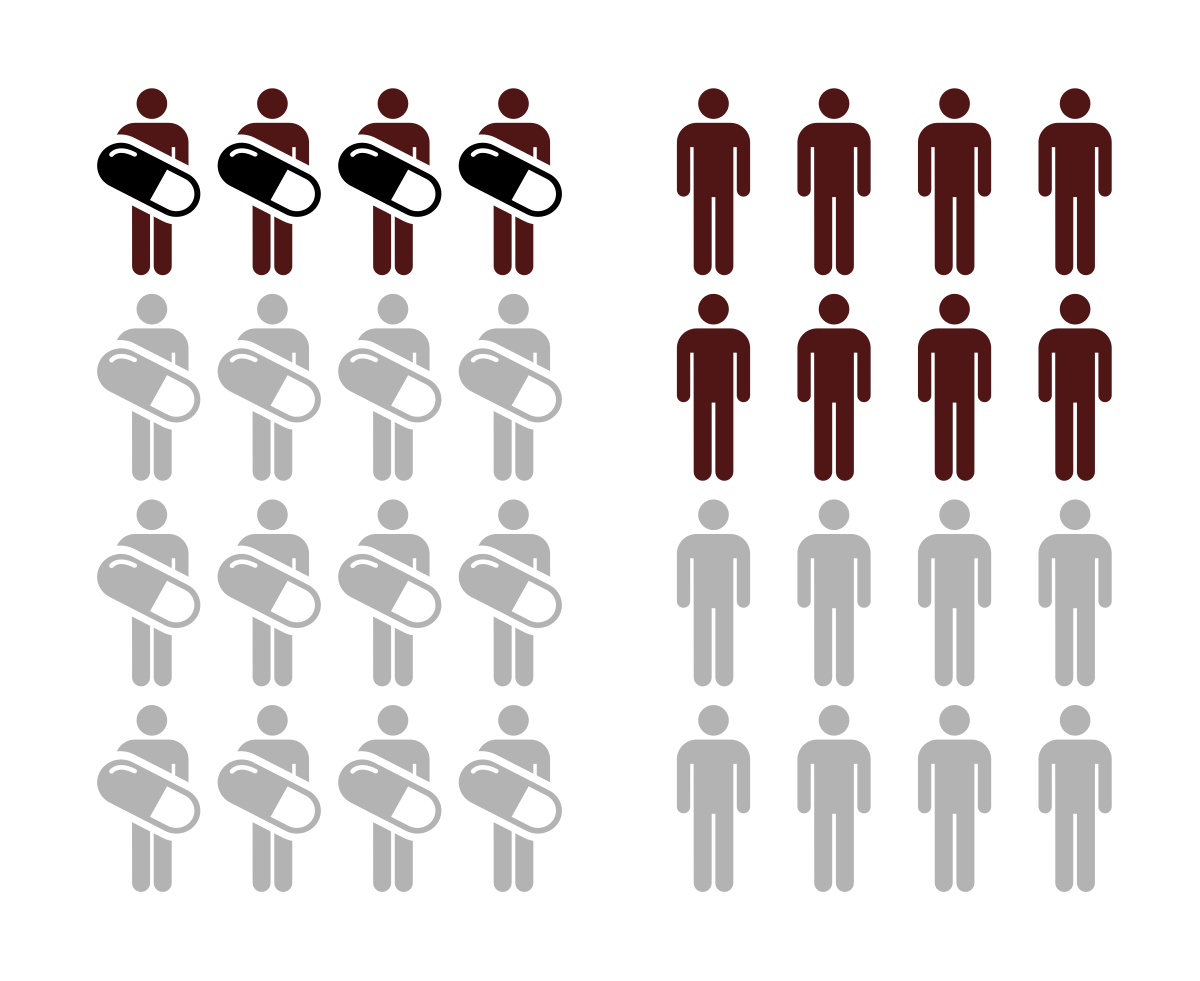
Relative Risk Wikipedia
Rate ratios are closely related to risk ratios, but they are computed as the ratio of the incidence rate in an exposed group divided by the incidence rate in an unexposed (or less exposed) comparison group Consider an example from The Nurses' Health Study This prospective cohort study was used to investigate the effects of hormone replacement therapy (HRT) on coronaryOdds of the disease in men Odds=Risk of disease in men/risk of no disease in men= (140/0)/(60/0)=07Odds ratios and risk ratios •How do you interpret the relative risk?
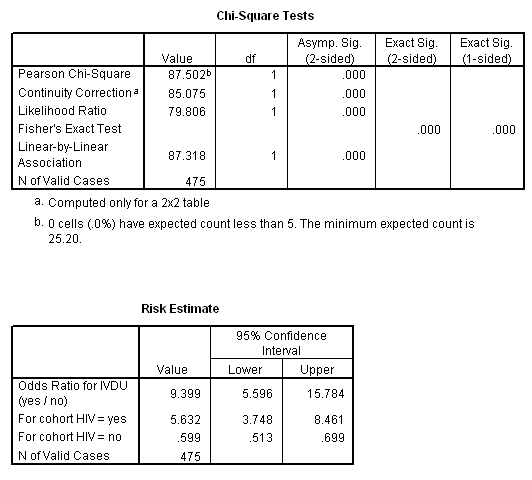
Marg Innovera

How To Use Spss For Contingency Table Relative Risk Odds Ratio
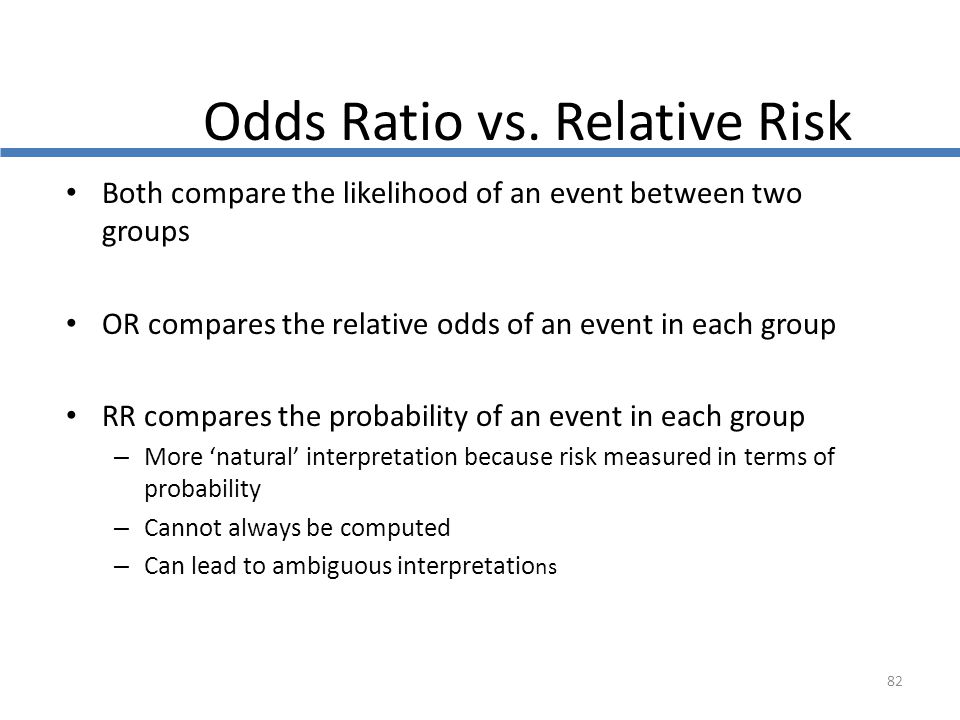
Definition of risk ratio A risk ratio (RR), also called relative risk, compares the risk of a health event (disease, injury, risk factor, or death) among one group with the risk among another group It does so by dividing the risk (incidence proportion, attack rate) in group 1 by the risk (incidence proportion, attack rate) in group 2An odds ratio is a ratio of ratios It compares the presence to absence of an exposure given that we already know about a specific outcome (eg, presencetoabsence ratio of cigarette smoking in those who had an MI compared with the same ratio in those who did not have an MI) (Figure) Relative risks and odds ratios What's the difference? The more frequent the outcome, the more the odds ratio overestimates the risk ratio when it is more than 1 or underestimates it when it is less than 1 We propose a simple method to approximate a risk ratio from the adjusted odds ratio and derive an estimate of an association or treatment effect that better represents the true relative risk
Ppt Odds Ratio Vs Relative Risk Powerpoint Presentation Free Download Id
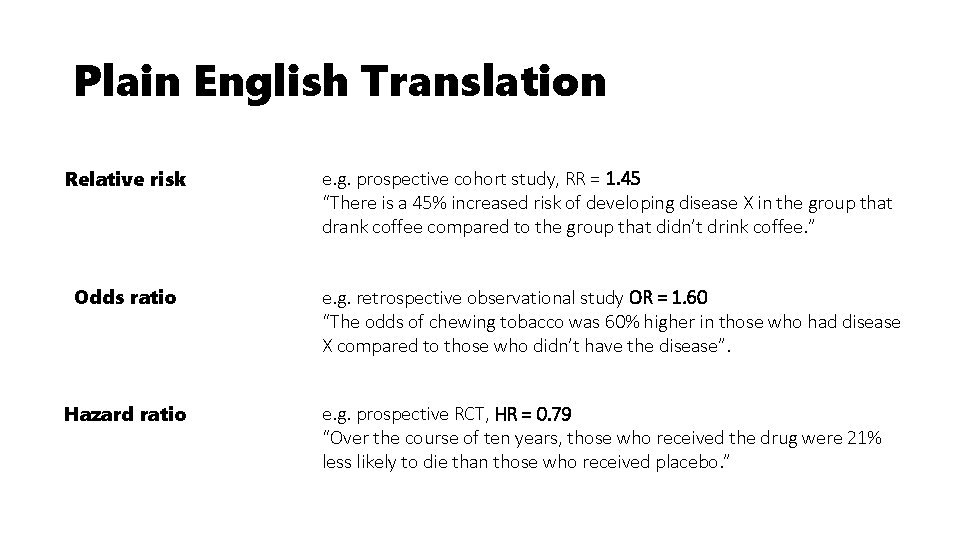
Statistics For Afp Dr Mohammad A Fallaha Afp
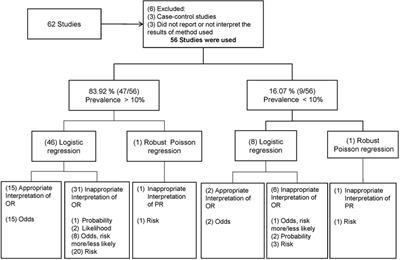
Odds ratios are conveniently symmetrical with regard to the outcome definition; Odds ratio and relative risk can be both calculated in cohort study, while only odds ratio can be used in casecontrol study Good luck Odds ratios (OR) significantly overestimate associations between risk factors and common outcomes The estimation of relative risks (RR) or prevalence ratios (PR) has represented a statistical challenge in multivariate analysis and, furthermore, some researchers do not have access to the available methods Objective To propose and evaluate a new method for

The Difference Between Relative Risk And Odds Ratios The Analysis Factor
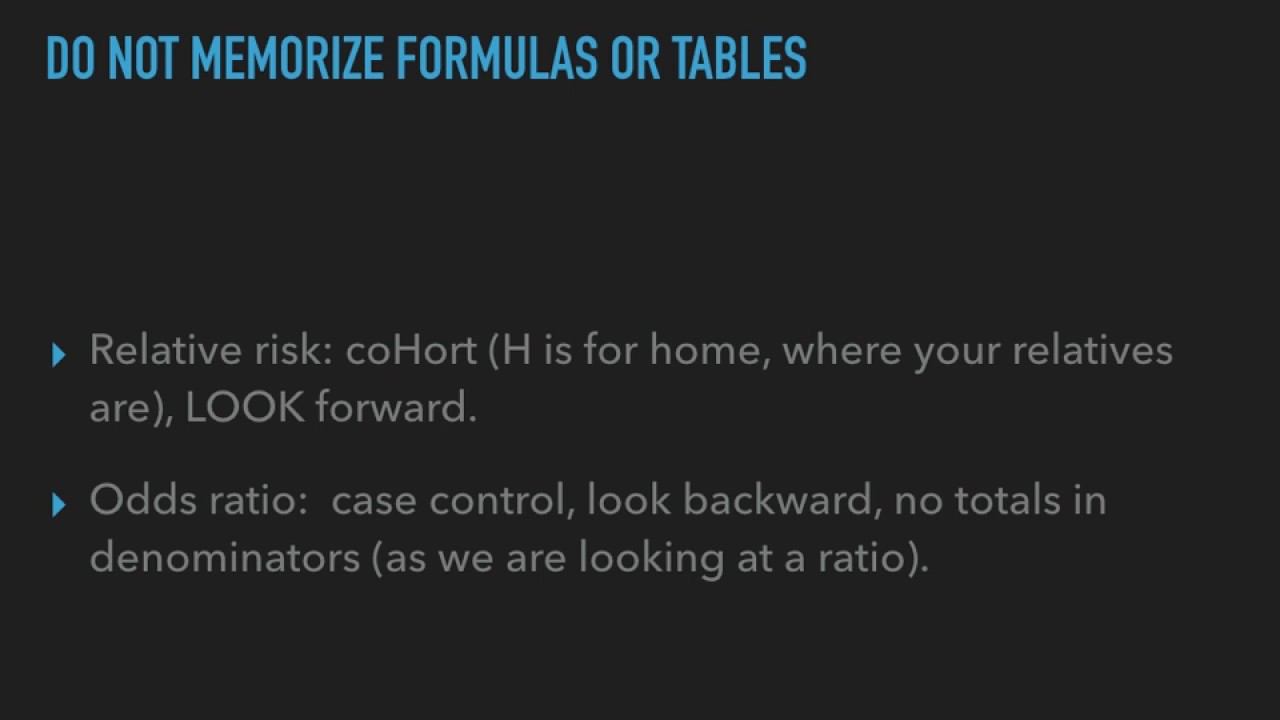
Relative Risk Versus Odds Ratio Usmle Biostatistics 4 Youtube
Odds ratio vs relative risk Odds ratios and relative risks are interpreted in much the same way and if and are much less than and then the odds ratio will be almost the same as the relative risk In some sense the relative risk is a more intuitive measure of effect size Note that the choice is only for prospective studies were the distinctionThis implausible scenario is shown in Table 5, where collapsed counts for low (or high) risk subjects only produce a 2 × 2 table with an odds ratios of 400As explained in the "Motivating Example" section, the relative risk is usually better than the odds ratio for understanding the relation between risk and some variable such as radiation or a new drug That section also explains that if the rare disease assumption holds, the odds ratio is a good approximation to relative risk and that it has some advantages over relative risk
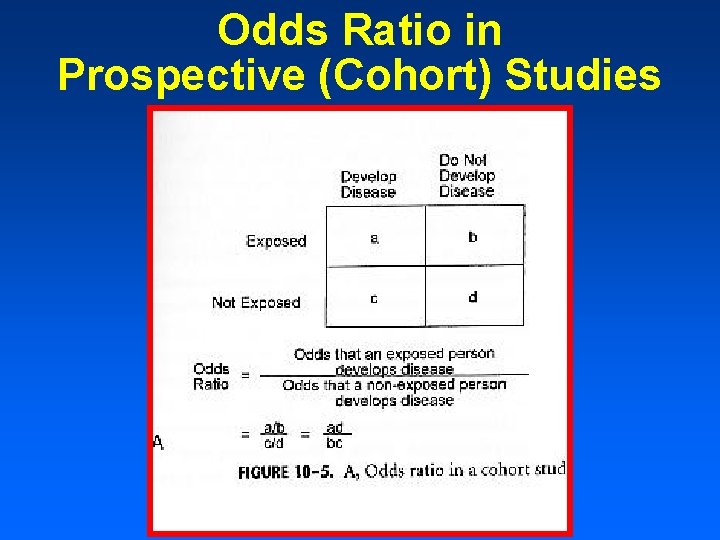
Relative And Attributable Risks Absolute Risk Involves People
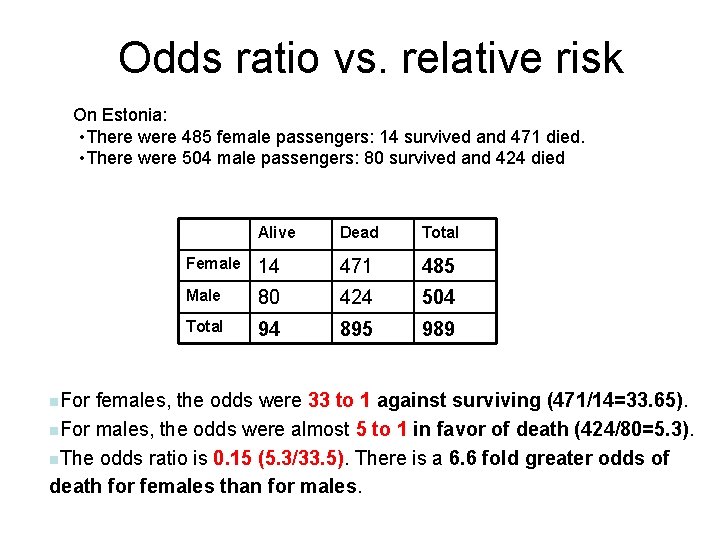
Categorical Data Ziad Taib Biostatistics Astra Zeneca February
The relative risk (RR) and the odds ratio (OR) are the two most widely used measures of association in epidemiology The direct computation of relative risks isThis is why the first study yielded odds ratios and not relative risk Once they got the results and found smoking to have the strongest association, they reversed the roles and did a cohort study looking at smokers and nonsmokers (now the independent variable) and compared their lung cancer status (now the dependent variable), yielding relative risk ratiosThe relative risk and the odds ratio are measures of association between exposure status and disease outcome in a population Relative risk In epidemiology, relative risk (RR) can give us insights in how much more likely an exposed group is to develop a certain disease in comparison to a nonexposed group Once we know the exposure and disease status of a research population,

1 Relative Risks Odds Ratios Or Hazard Ratios Of Risk Factors For Download Table

9 10 11 12 13 14 15 16 17 18 19 21 22 23 24 25 26 27 28 29 30 Review Odds Ratios Are Calculated From Case Control Studies Which Are Described On Slide 14 Odds Ratios Are Only Estimates Of Relative Risks Since True Incidence Rates Cannot Be
It is assumed that, if the prevalence of the disease is low, then the odds ratio approaches the relative risk Case control studies are relatively inexpensive and less timeconsuming than cohort studies In this case the odds ratio (OR) is equal to 16 and the relative risk (RR) is equal to 865The risk of getting the disease in males is 31 times the risk of getting the disease in females •What is the odds ratio for the disease among men as opposed to women?Understanding Relative Risk, Odds Ratio, and Related Terms As Simple as It Can Get Chittaranjan Andrade, MD ABSTRACT Risk, and related measures of effect size (for categorical outcomes) such as relative risks and odds ratios, are frequently presented in research articles Not all readers know how these statistics

Cohort Case Control Studies Http Www Slideshare Net Terryshaneyfelt7 What Does An Odds Ratio Or Relative R Cohort Study Academic Research Research Methods
2
To estimate risk ratios, these same methods can be used if outcomes are sufficiently rare that odds ratios will closely approximate risk ratios But if risk ratios are desired when outcomes are common, odds ratio estimates will not suffice In this article, I describe methods for estimating adjusted risk ratios with confidence intervals (CIs In medical and epidemiological studies, the odds ratio is a commonly applied measure to approximate the relative risk or risk ratio in cohort studies It is well known tha such an approximation is poor and can generate misleading conclusions, if the incidence rate of a study outcome is not rare However, there are times when the incidence rate is not directly available inOdds ratios (OR) are commonly reported in the medical literature as the measure of association between exposure and outcome However, it is relative risk that people more intuitively understand as a measure of association Relative risk can be directly determined in a cohort study by calculating a r
Relative Risk Or Odds Ratio For Cardiovascular Disease Incidence Download Scientific Diagram
What Is The Difference Between The Risk Ratio Rr And The Odds Ratio Or Quora
Relative risks and odds ratios are widely reported in the medical literature, but can be very difficult to understand We sought to further clarify these important indices Methods We illustrated both relative risks and odds ratios using bar charts, then looked at the types of study for which each statistic is suited Risk Ratios and Odds Ratios for Common Events in Crosssectional and Cohort Studies Scott T Wilber MD, ORs also are reported in cohort and crosssectional studies when logistic regression is used to assess the association between the risk factors and an outcome while controlling for confounding variables RR = relative risk The odds ratio will estimate the average change in odds (the average odds ratio) among exposed individuals only when all individual odds ratios are equal and all individual outcome risks without exposure are equal 1;
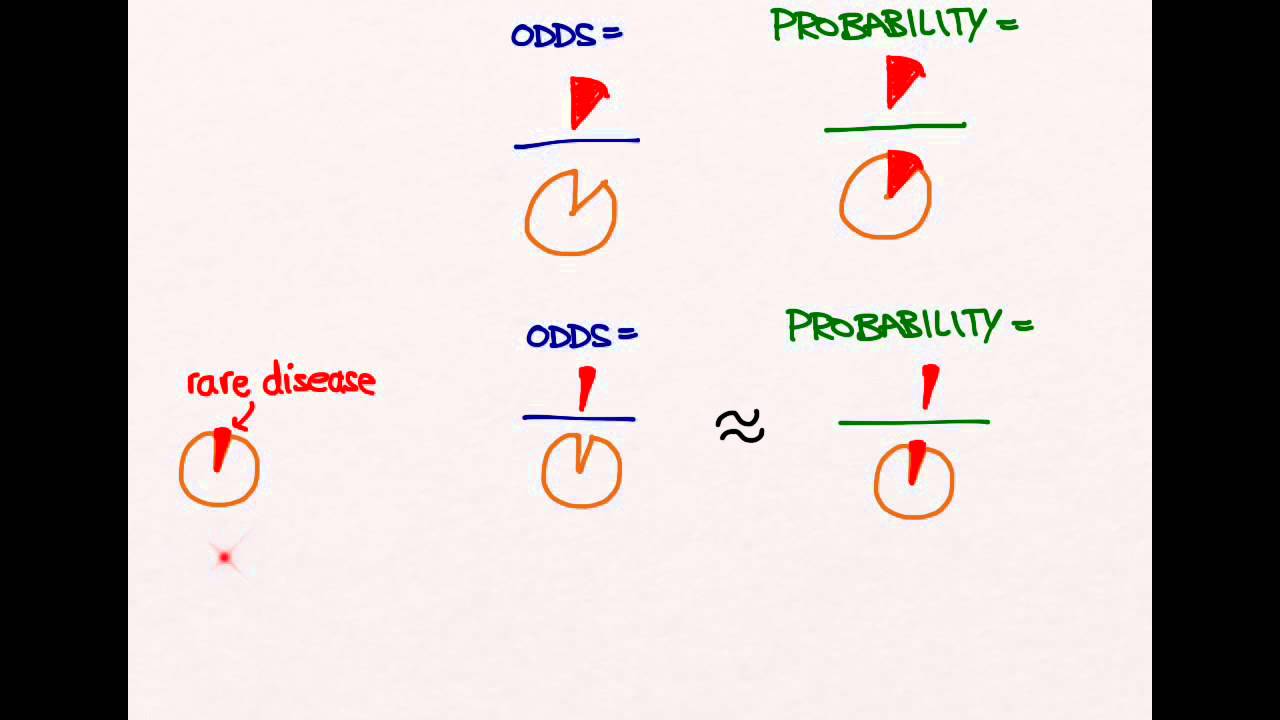
Odds Ratios And Risk Ratios Youtube

Measures Of Effect Relative Risks Odds Ratios Risk Difference And Number Needed To Treat Kidney International
Risk difference, risk ratio, and odds ratio as measures of effects in cohort design A cohort study design pursues the effect of exposure such as treatment, prospectively In the cohort study, we extract an adequate size of a random sample from the target population, then randomly assign the subjects into either the expose group or unexposed groupAbout Press Copyright Contact us Creators Advertise Developers Terms Privacy Policy & Safety How works Test new features Press Copyright Contact us Creators2 days ago RELATIVE RISK AND ODDS RATIO The relative risk (also known as risk ratio RR) is the ratio of risk of an event in one group (eg, exposed group) versus the risk of the event in the other group (eg, nonexposed group) The odds ratio (OR) is the ratio of odds of an event in one group versus the odds of the event in the other group

Relative Risk And Odds Ratio
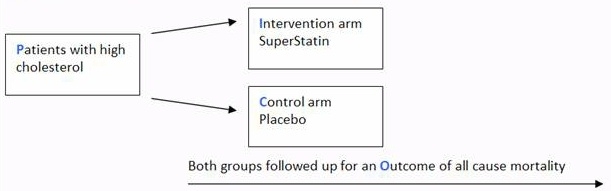
A Beginner S Guide To Interpreting Odds Ratios Confidence Intervals And P Values Students 4 Best Evidence
The odds ratio for outcome Y is the inverse of the odds ratio for the outcome not Y Risk ratios lack this symmetry, so it may be necessary to present 1 risk ratio for outcome Y and another for outcome not Y Risk ratios, but not odds ratios, have a mathematical property called collapsibility; Relative Risk (RR) is a ratio of probabilities or put another way it is one probability divided by another Odds Ratio (OR) is a ratio or proportion of odds I just remember that odds ratio is a ratio of odds and probability isn't a ratio of odds (AKA it is the other option) Relative Risk = Probability / Probability Given that this is a cohort study, the relative risk (RR) should have beenThe quote surely just means to say that the odds ratio is a relative risk measure rather than an estimate of the relative risk, which as already point out is only approximately the case in cohort studies/randomized trials for very low proportions By relative risk measure I mean something that is given relative to some comparison group in a way that the absolute difference depends on

Relative Risk Wikipedia
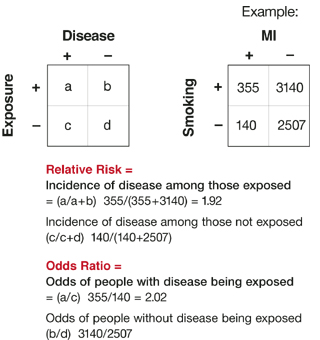
Relative Risks And Odds Ratios What S The Difference Mdedge Family Medicine
On the use, misuse and interpretation of odds ratios Dear Sir, In a recent article, Davies et al (1) commented on a potential problem when interpreting odds ratios (OR) as relative risks (RR) in epidemiological studies However, their vague concept of effect measures as applied to different study designs in epidemiology may lead to misuse andThe risk ratio In practice, risks and odds for a single group are not nearly as interesting as a comparison of risks and odds between two groups For risk you can make these comparisons by dividing the risk for one group (usually the group exposed to the risk factor) by the risk for the second, nonexposed, group This gives us the risk ratio RELATIVE RISK AND ODDS RATIO Risk and Odds just seemed the same to me for a long time Since then, I have come to understand to important difference Lets start with Relative Risk Relative Risk can be addressed by asking the following question How many times more likely is an "exposed" group to develop a

Tutorial 5 Answer Pdf Odds Ratio Relative Risk
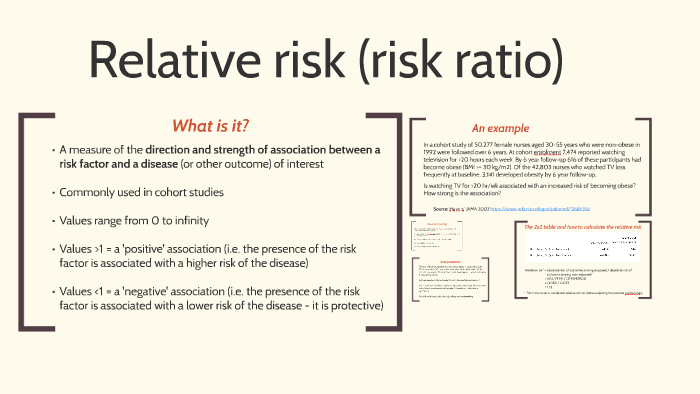
Relative Risk Risk Ratio By George Peat
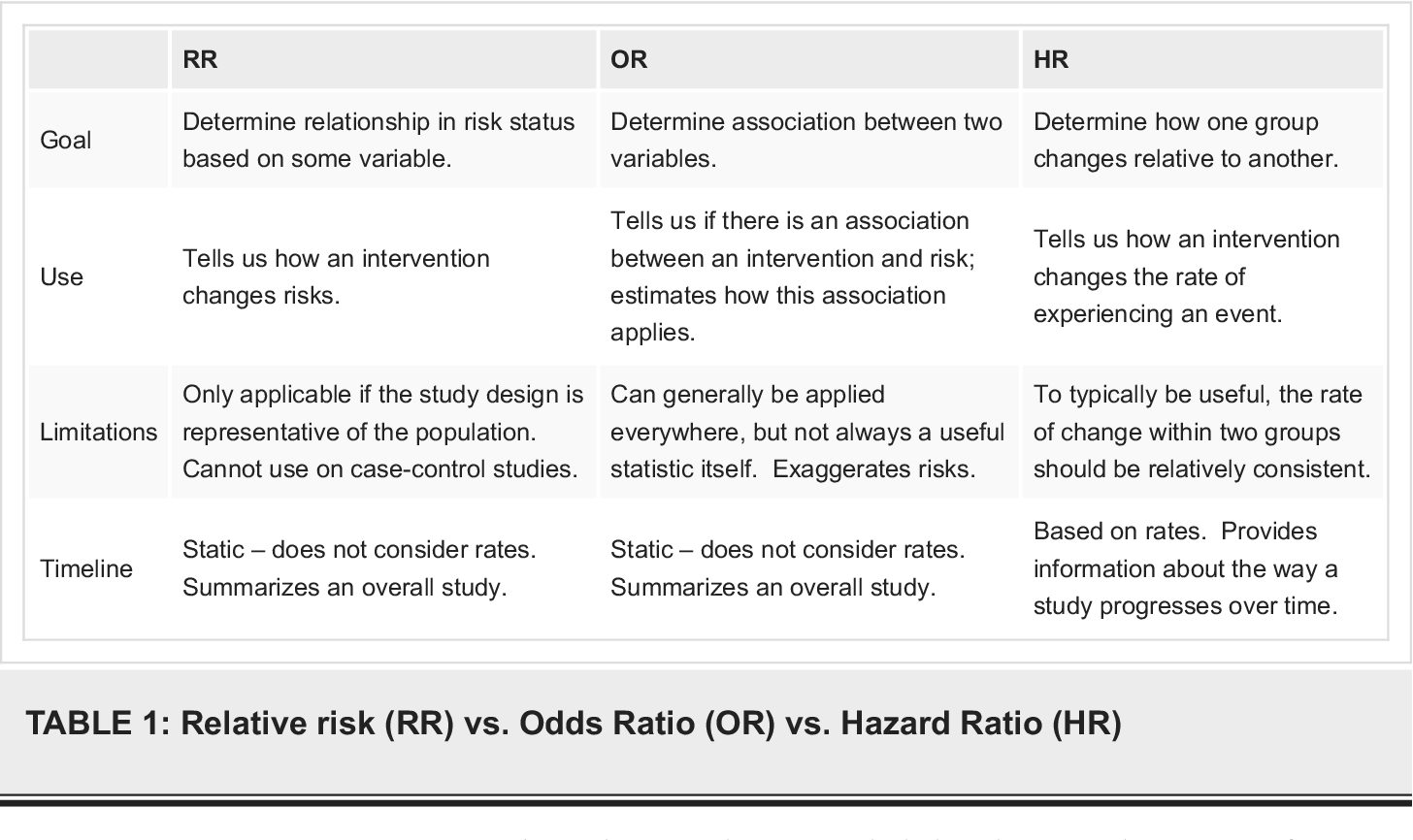
Risk ratios, odds ratios, and hazard ratios are three common, but often misused, statistical measures in clinical research In this paper, the authors dissect what each of these terms define, and provide examples from the medical literature to illustrate each of these statistical measures Finally, the correct and incorrect methods to use these measures are summarized
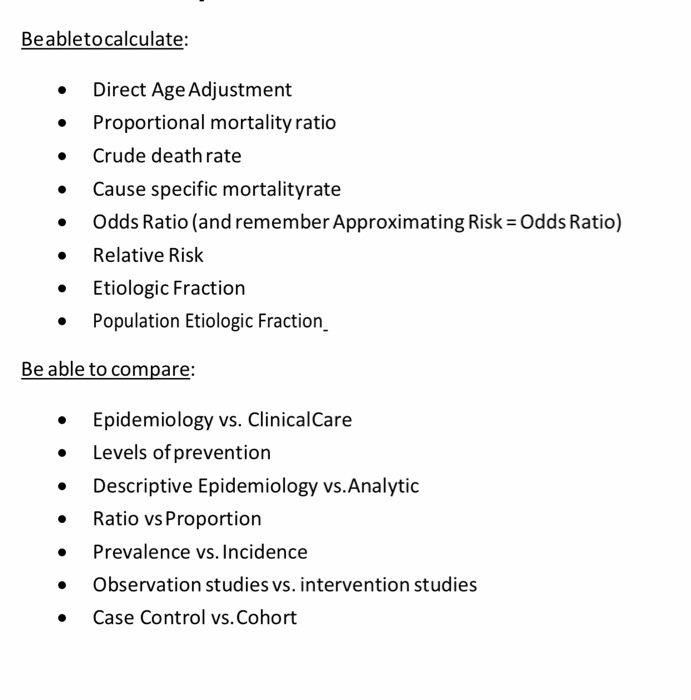
Beabletocalculate Direct Age Adjustment Chegg Com
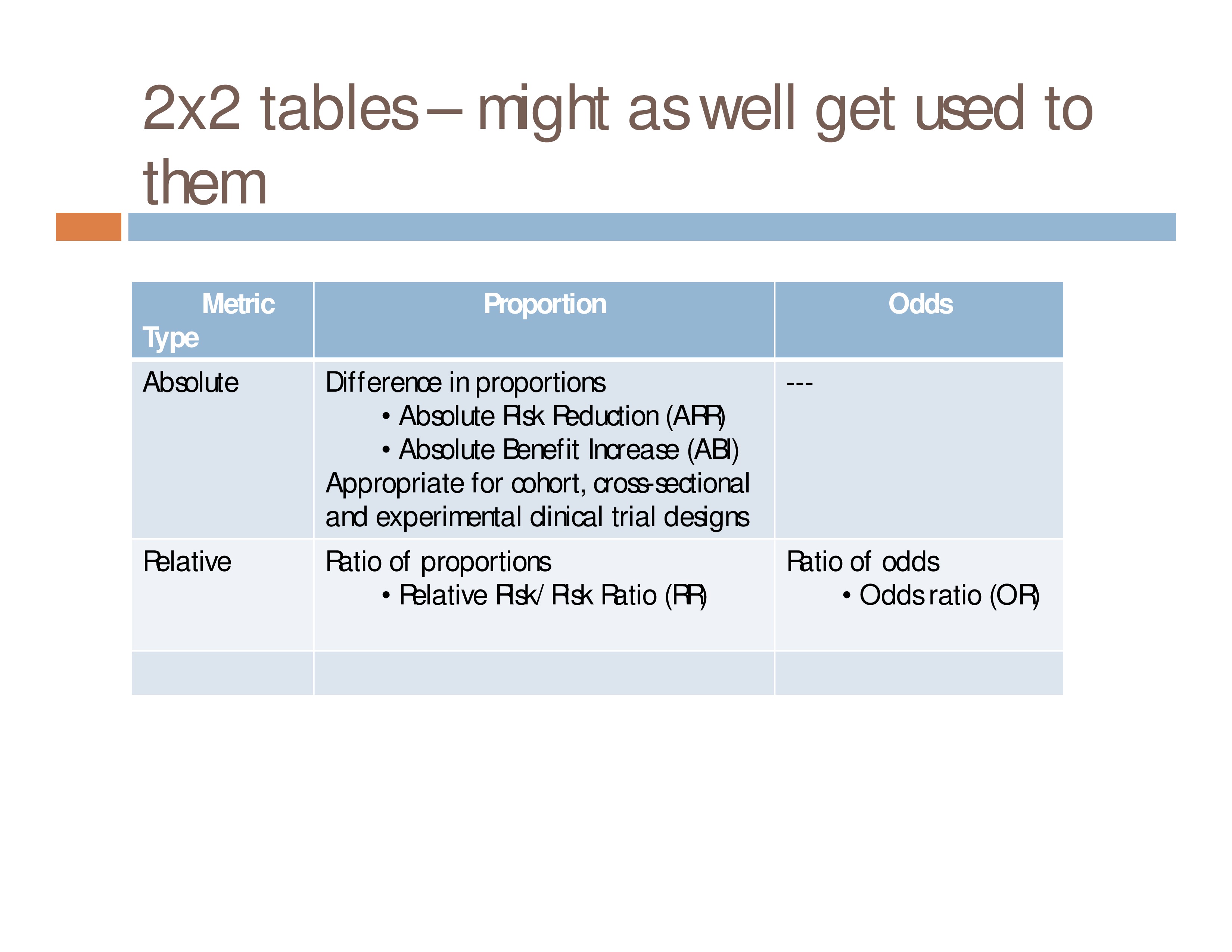
Event Based Measures Of Effect Size Asha Journals Academy
2
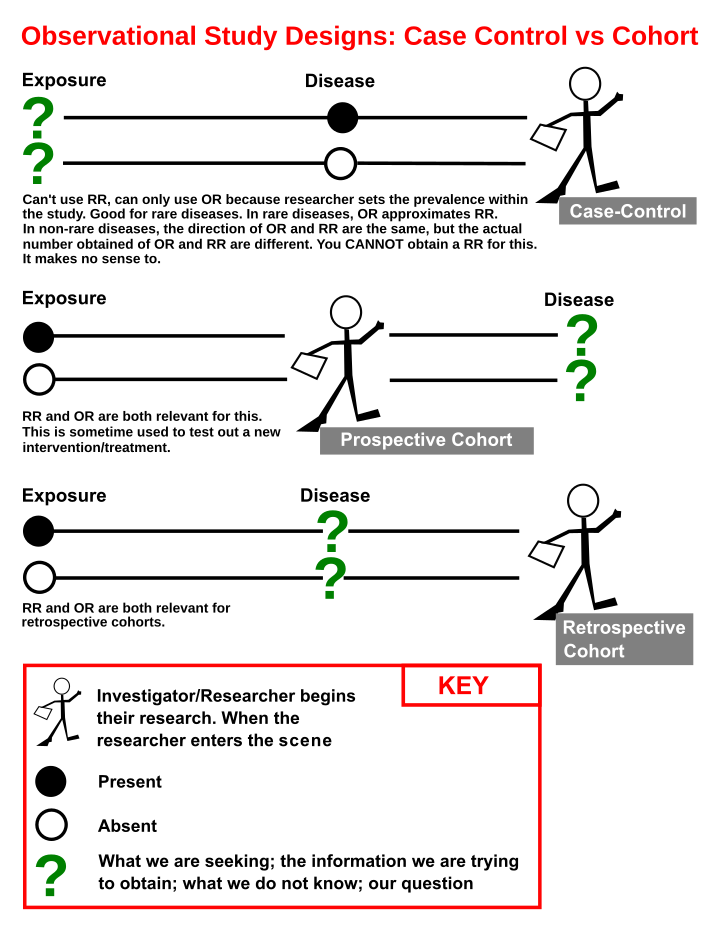
Cohort Statistics Wikiwand
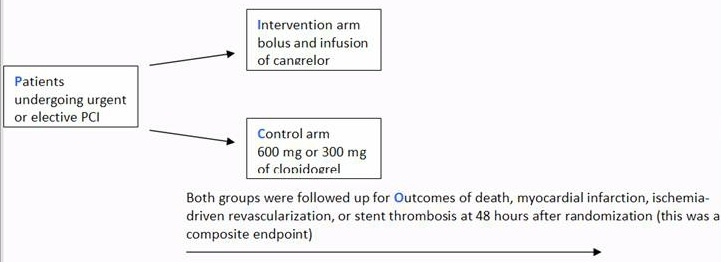
A Beginner S Guide To Interpreting Odds Ratios Confidence Intervals And P Values Students 4 Best Evidence
2

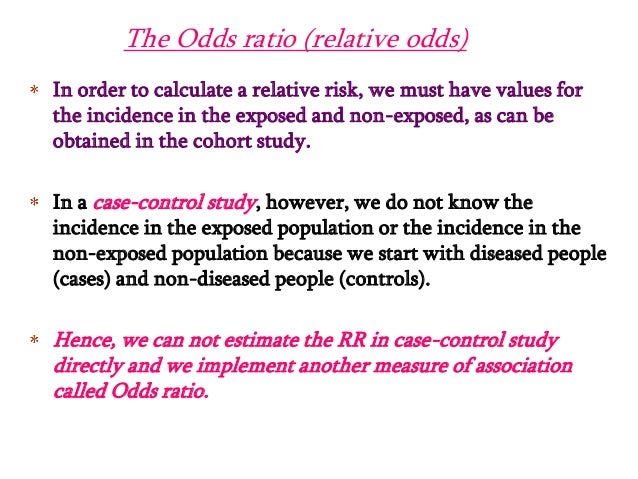
1 The Odds Ratio Relative Odds In A Case Control Study We Do Not Know The Incidence In The Exposed Population Or The Incidence In The Nonexposed Population Ppt Download
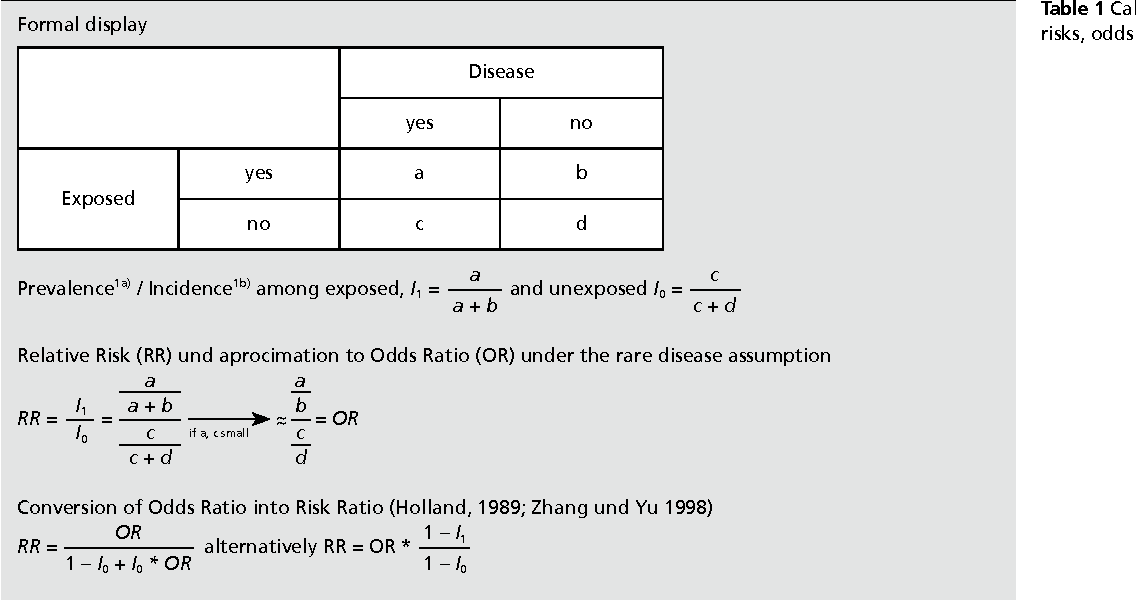
Pdf When To Use The Odds Ratio Or The Relative Risk Semantic Scholar
Number Needed To Treat

いろいろ Odds Ratio Vs Relative Risk ただの悪魔の画像

Pdf What S The Risk Differentiating Risk Ratios Odds Ratios And Hazard Ratios Semantic Scholar

Questionable Utility Of The Relative Risk In Clinical Research A Call For Change To Practice Sciencedirect
What Is The Difference Between The Risk Ratio Rr And The Odds Ratio Or Quora

Relative Risk And Odds Ratio Usmle The Journey

Society For Birth Defects Research And Prevention
2
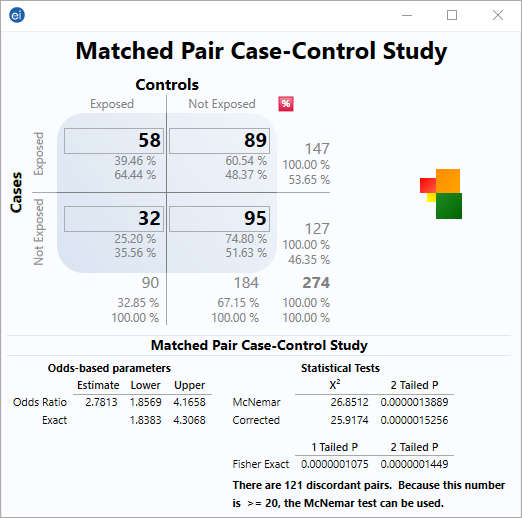
Matched Pair Case Control Statcalc User Guide Support Epi Info Cdc
Estimating Risk
1
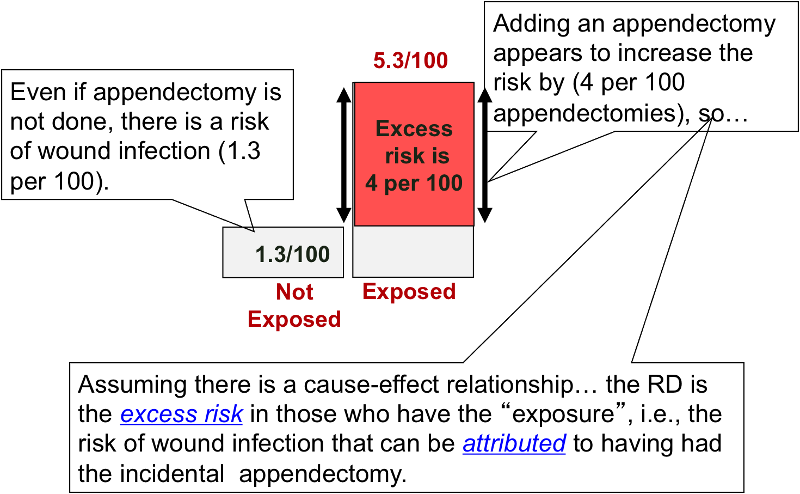
Risk Differences And Rate Differences
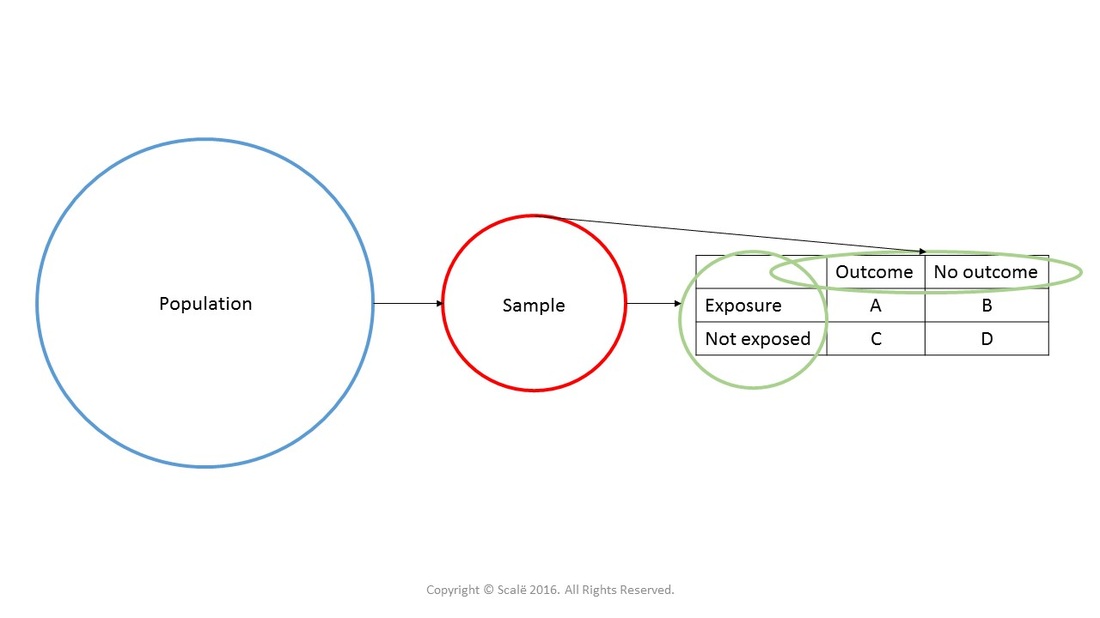
Calculate Relative Risk With 95 Confidence Intervals

Solved A Prospective Cohort Study B Case Control Study C Chegg Com

Tablas De Contingencia By Eric Jimenez Issuu

Case Control Study Vs Cohort Study Pp Made Easy On Vimeo

Pdf What S The Risk Differentiating Risk Ratios Odds Ratios And Hazard Ratios Semantic Scholar

Module 4 Relative Risk Odds Ratio Flashcards Quizlet
2

06 Mcq Exams Pdf Sensitivity And Specificity Cohort Study

Calculation Of Relative Risks Rr And Odd Ratios Or Download Table

Definition And Calculation Of Odds Ratio Relative Risk Stomp On Step1

Relative Measures Of Association For Binary Outcomes Challenges And Recommendations For The Global Health Researcher
Cph Exam Review Epidemiology Ppt Download

Reporting The Results Sage Research Methods

Definition And Calculation Of Odds Ratio Relative Risk Stomp On Step1 How To Memorize Things Public Health Jobs Math Lessons

Effect Sizes Basicmedical Key

Glossary Of Research Terminology
Definition And Calculation Of Odds Ratio Relative Risk Stomp On Step1

1 Relative Risks Odds Ratios Or Hazard Ratios Of Risk Factors For Download Table
Frontiers Odds Ratio Or Prevalence Ratio An Overview Of Reported Statistical Methods And Appropriateness Of Interpretations In Cross Sectional Studies With Dichotomous Outcomes In Veterinary Medicine Veterinary Science

Relative And Absolute Risk Osmosis
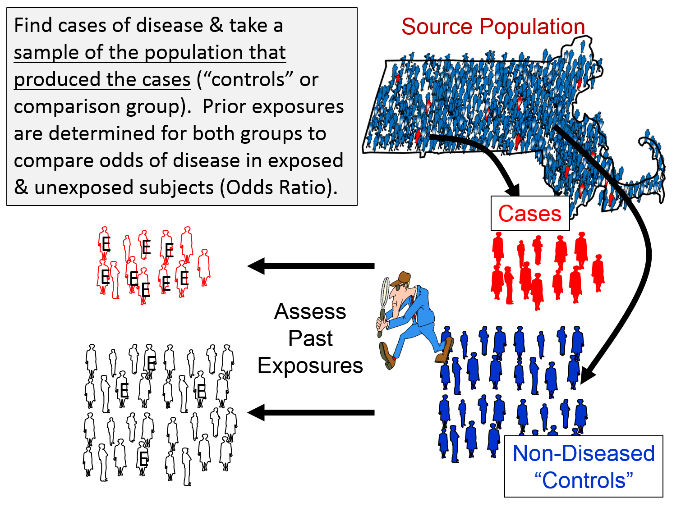
A Nested Case Control Study
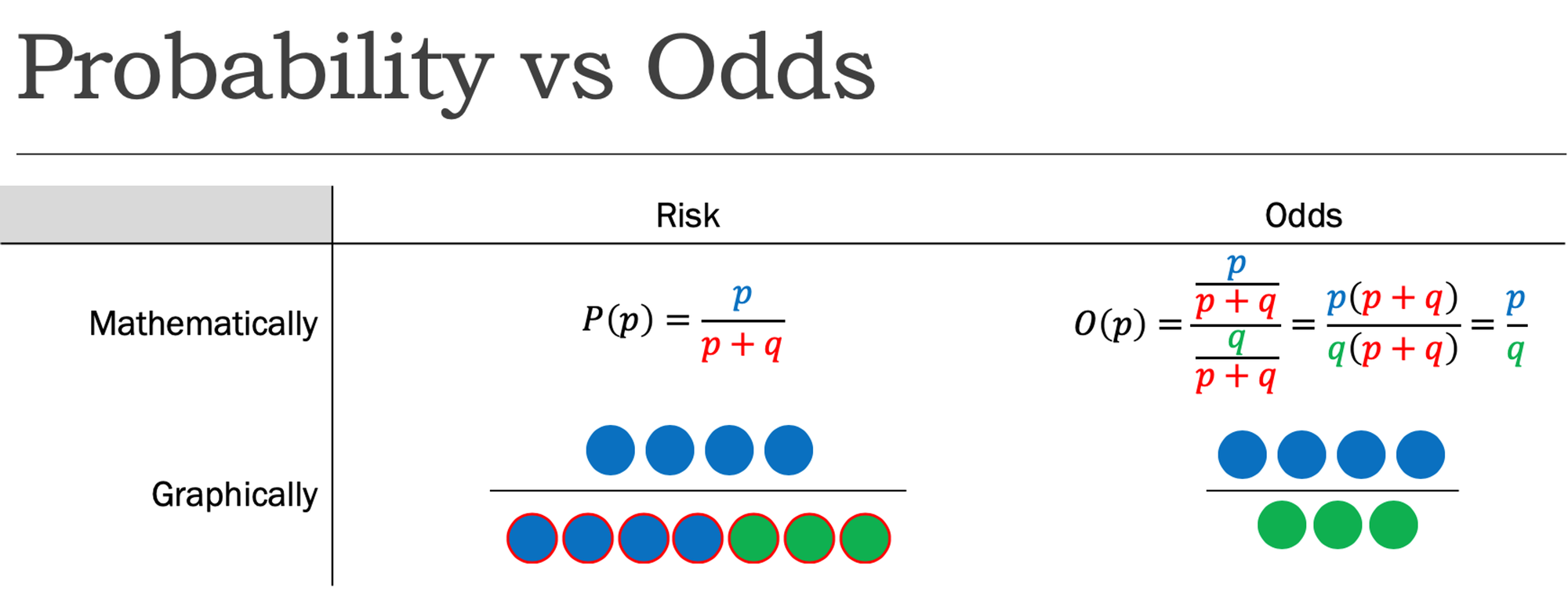
Cureus What S The Risk Differentiating Risk Ratios Odds Ratios And Hazard Ratios
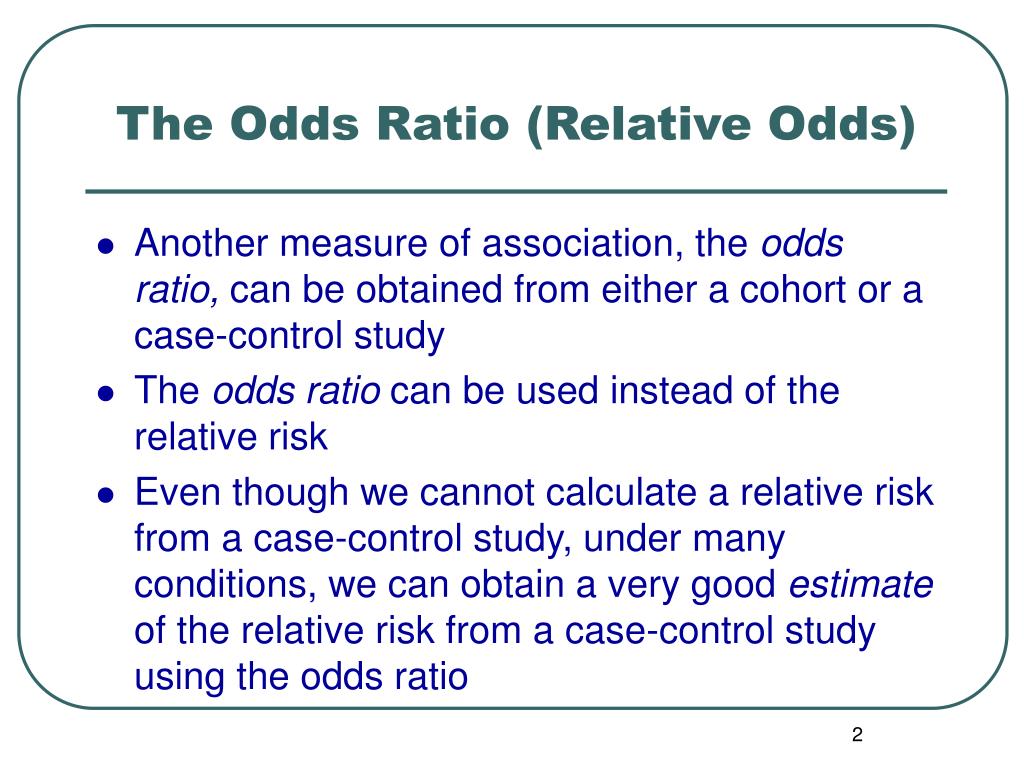
Ppt The Odds Ratio Relative Odds Powerpoint Presentation Free Download Id 6056
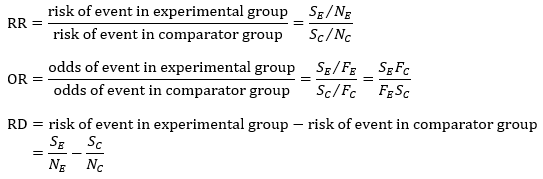
Chapter 6 Choosing Effect Measures And Computing Estimates Of Effect Cochrane Training
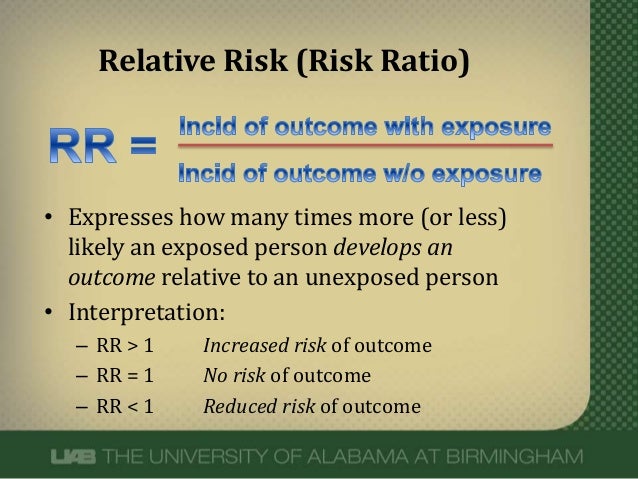
What Does An Odds Ratio Or Relative Risk Mean
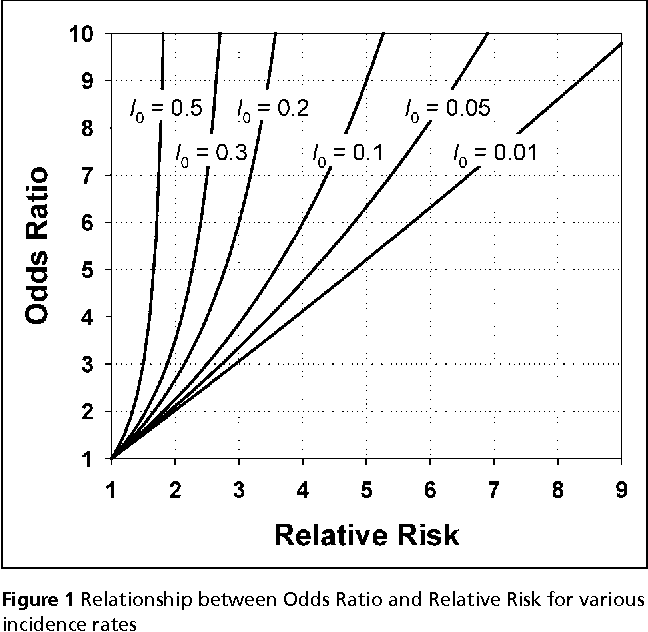
Pdf When To Use The Odds Ratio Or The Relative Risk Semantic Scholar
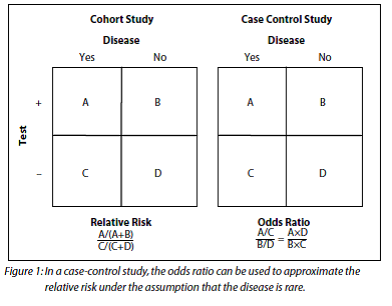
いろいろ Odds Ratio Vs Relative Risk ただの悪魔の画像

When Can Odds Ratios Mislead The Bmj
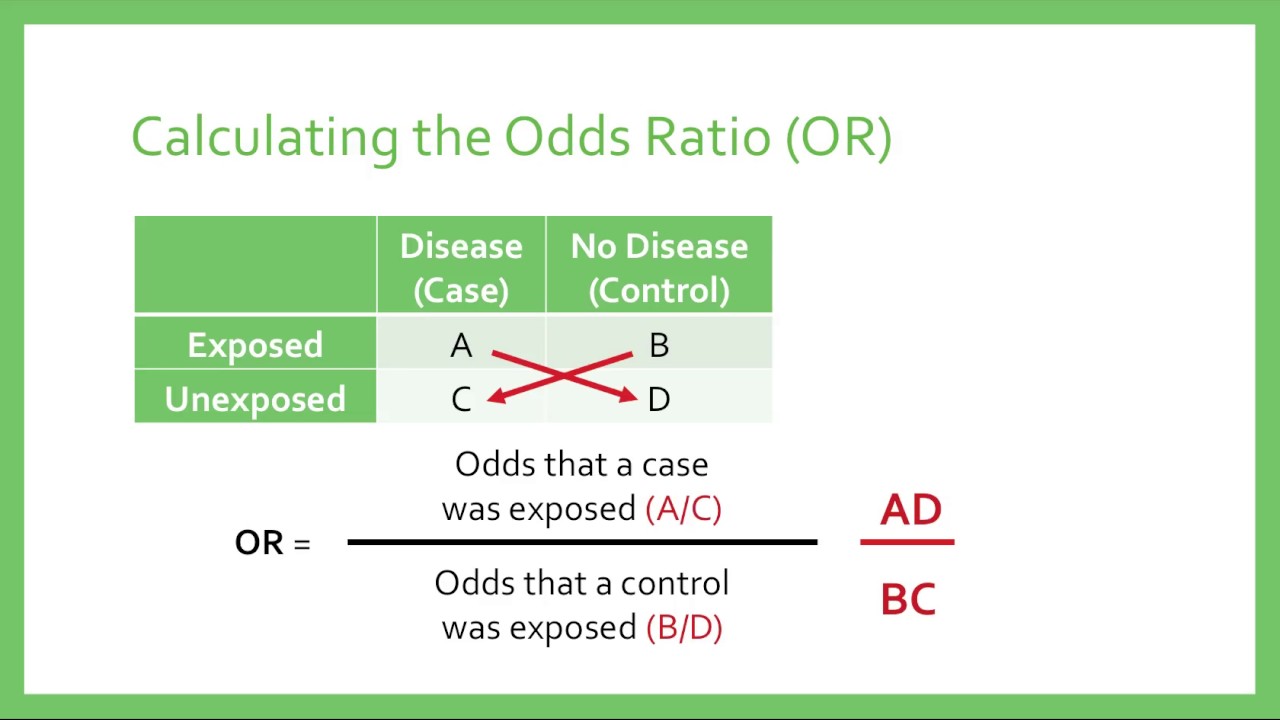
Relative Risk Odds Ratios Youtube
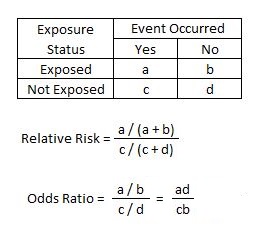
Relative Risk Article
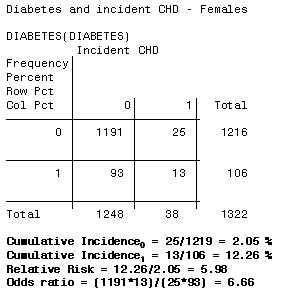
3 5 Bias Confounding And Effect Modification Stat 507
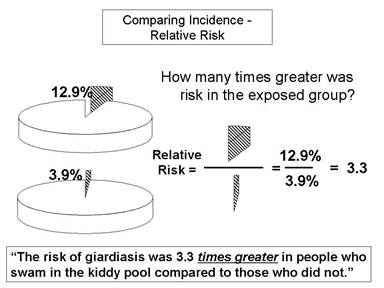
Relative Risk And Absolute Risk Definition And Examples Statistics How To

How To Calculate Relative Risk 3 Steps With Pictures Wikihow
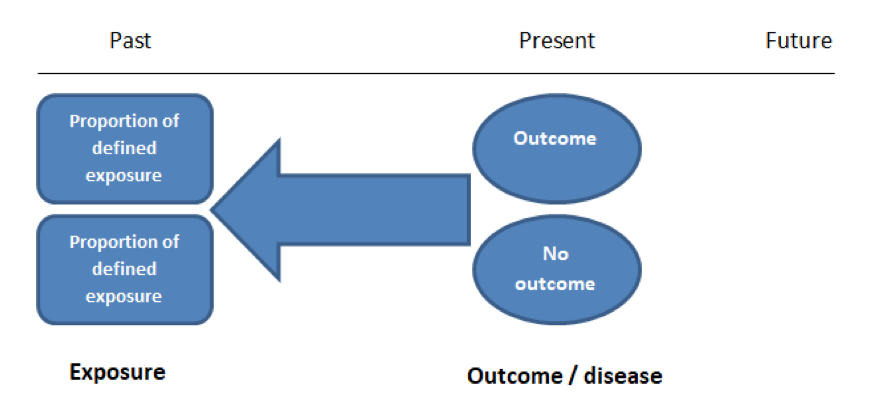
Case Control And Cohort Studies A Brief Overview Students 4 Best Evidence
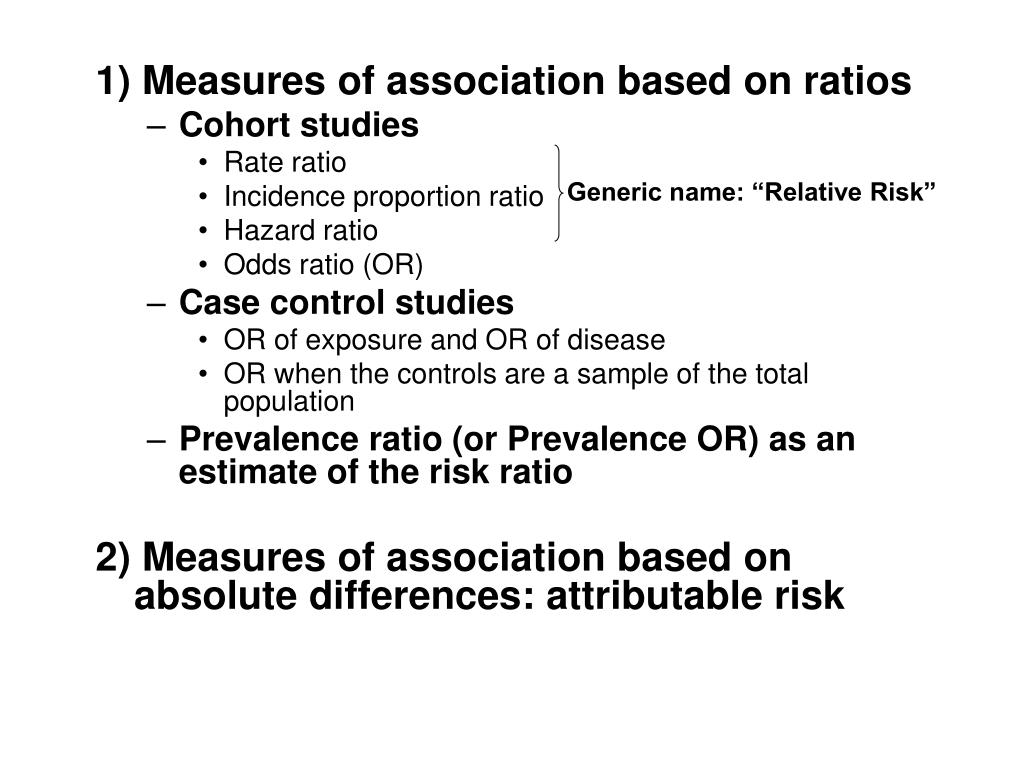
Ppt Measures Of Association Powerpoint Presentation Free Download Id
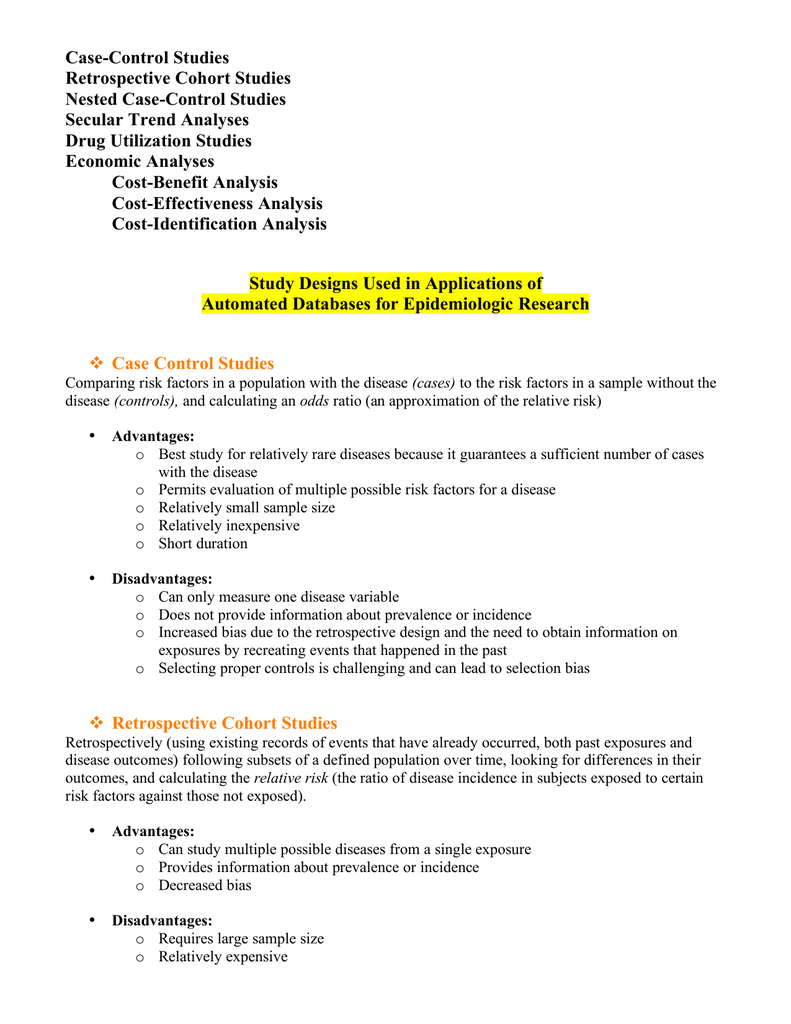
Case Control Studies Retrospective Cohort Studies Nested Case
2
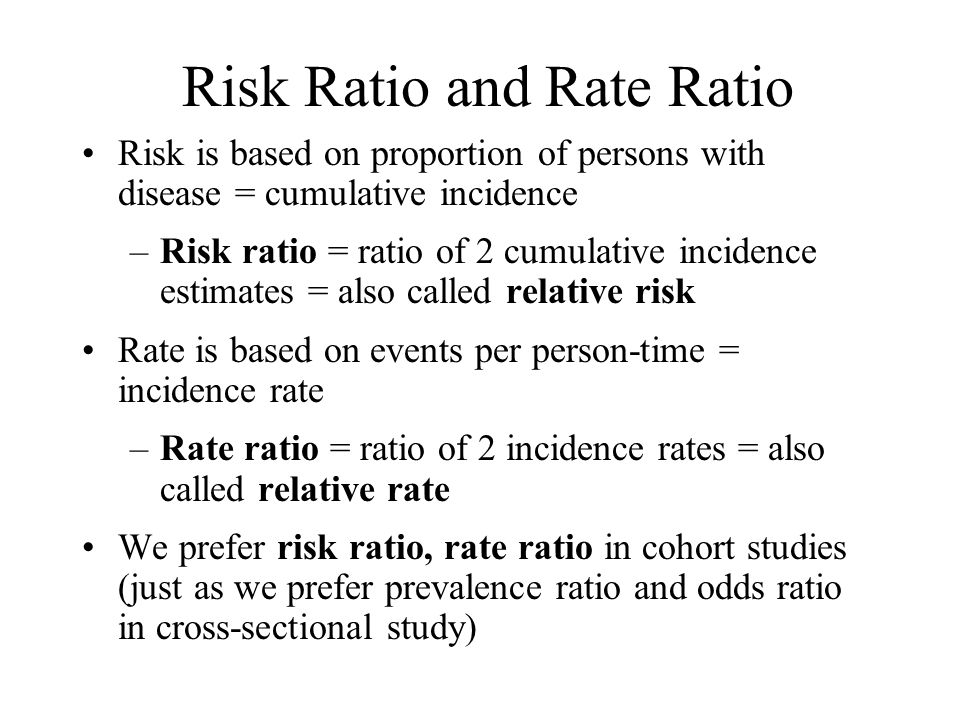
Measures Of Disease Association Ppt Download
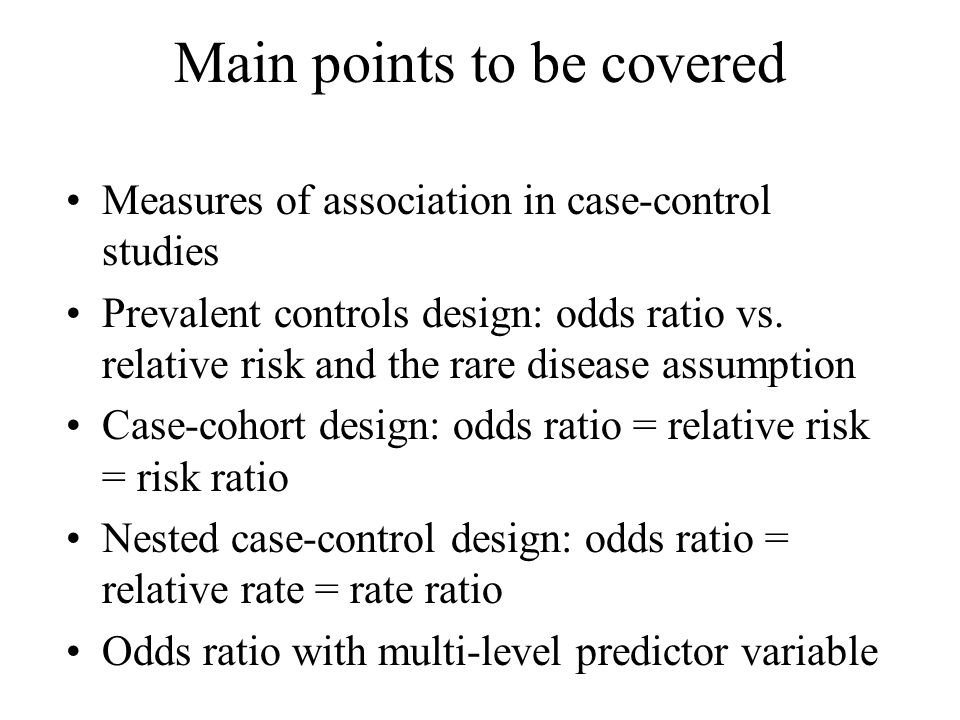
Main Points To Be Covered Measures Of Association In Case Control Studies Prevalent Controls Design Odds Ratio Vs Relative Risk And The Rare Disease Ppt Download
1
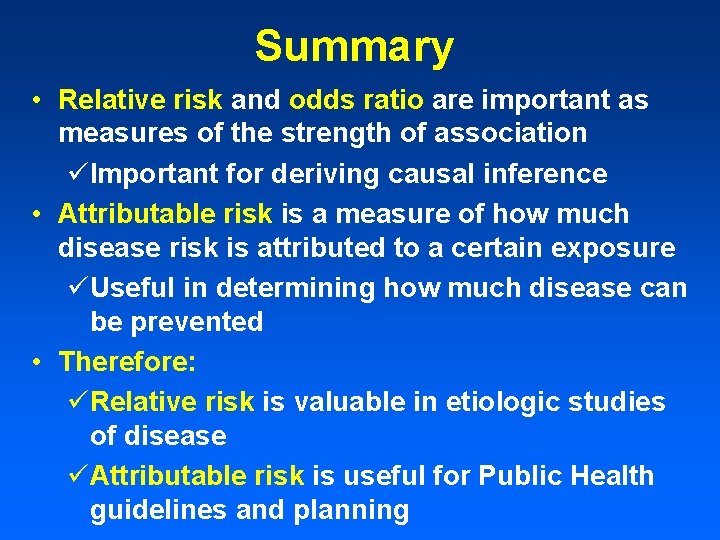
Relative And Attributable Risks Absolute Risk Involves People
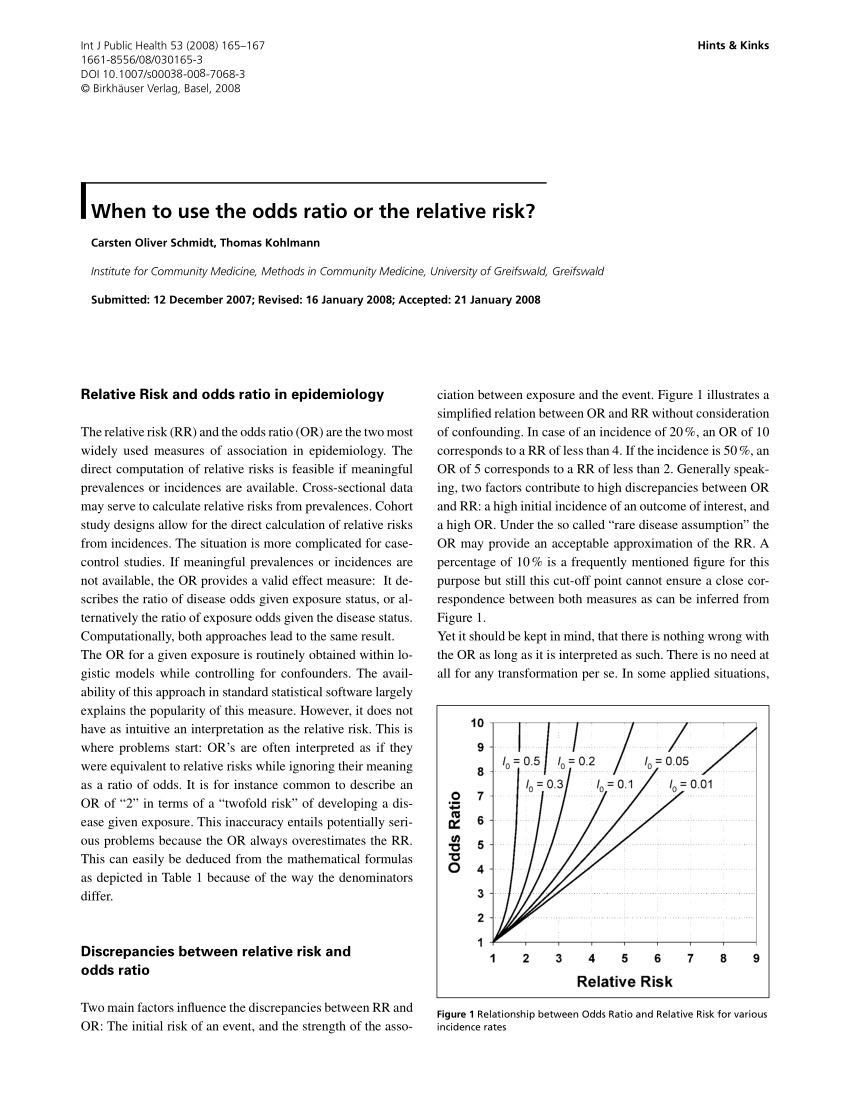
Pdf When To Use The Odds Ratio Or The Relative Risk
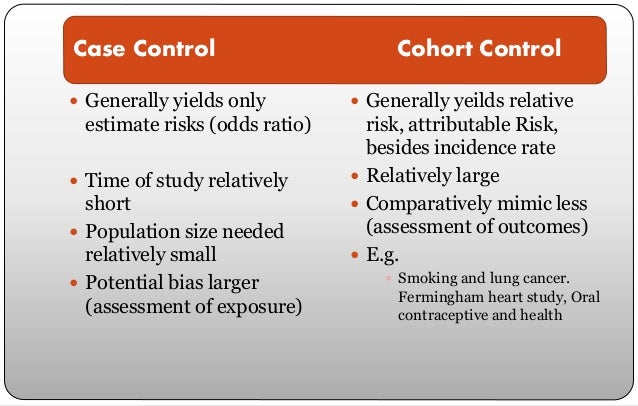
Cohort And Case Con Revised
Interpretation Of Genetic Association Studies Markers With Replicated Highly Significant Odds Ratios May Be Poor Classifiers

Research Statistics Basics Contents 1 Basic Concepts 2 References Basic Concepts Null Hypothesis The Hypothesis That The Independent Variable Has No Effect On The Dependent Variable For Example Steroids Do Not Improve Outcomes In Ards Would Be
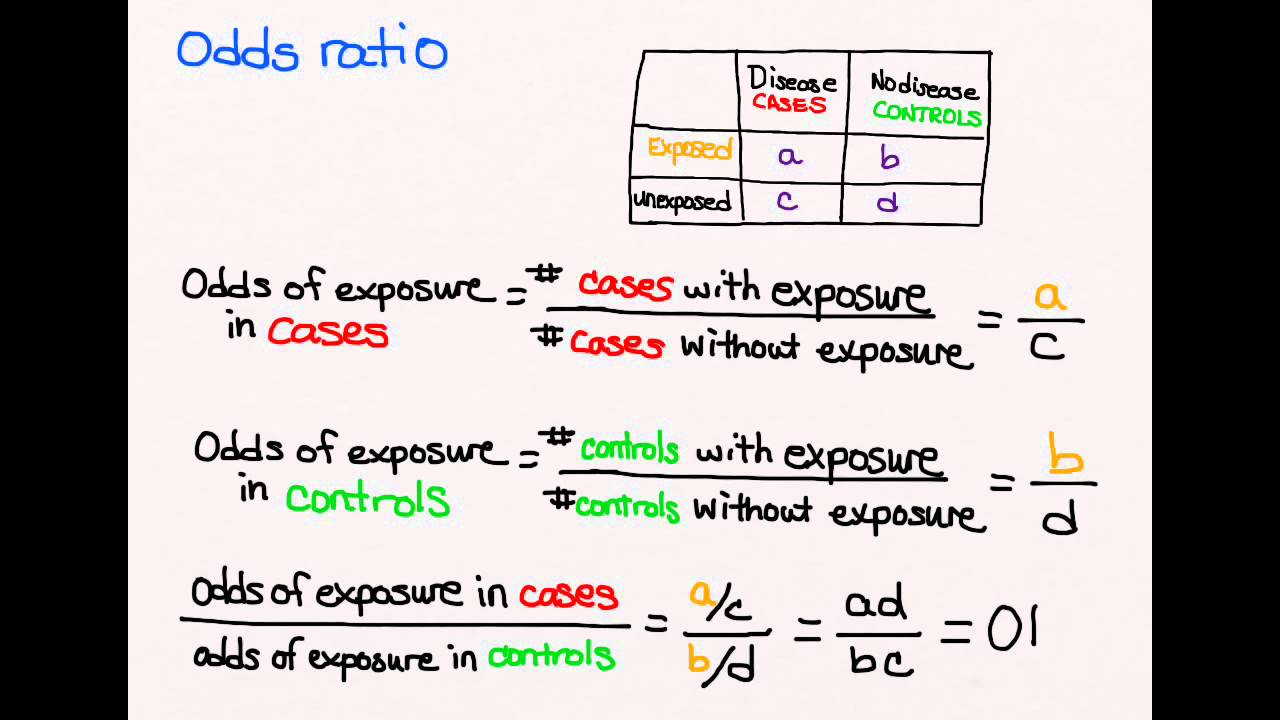
Using Odds Ratio In Case Control Studies Youtube
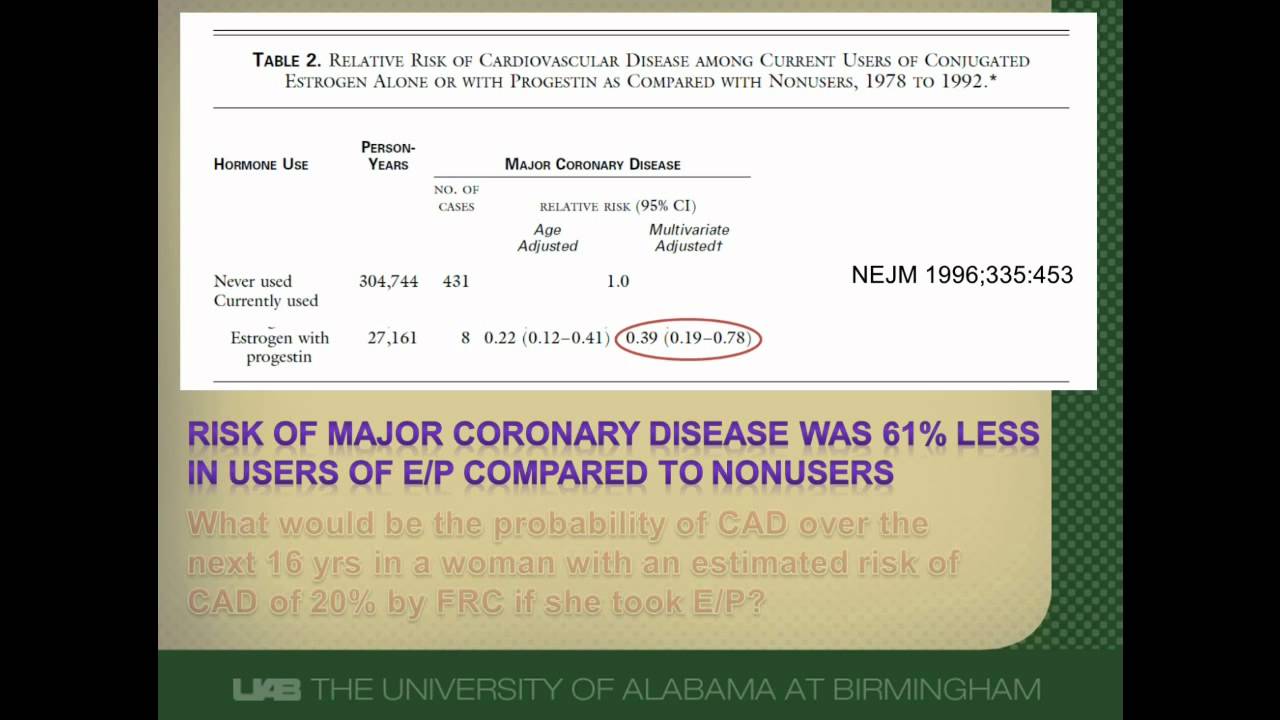
How To Interpret And Use A Relative Risk And An Odds Ratio Youtube
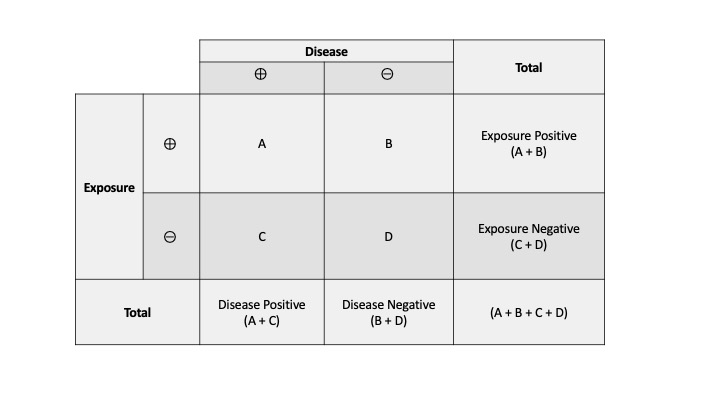
Measures Of Association Stats Medbullets Step 1
2

Research Techniques Made Simple Interpreting Measures Of Association In Clinical Research Sciencedirect

Statistics Part 13 Measuring Association Between Categorical Data Relative Risk Odds Ratio Attributable Risk Logistic Regression Data Lab Bangladesh

Relative Risk Ratios And Odds Ratios

Believability Of Relative Risks And Odds Ratios In Abstracts Cross Sectional Study The Bmj
2

Case Control Study Vs Cohort Study Pp Made Easy In Population Perspective Made Easy On Vimeo

A Most Odd Ratio American Journal Of Preventive Medicine
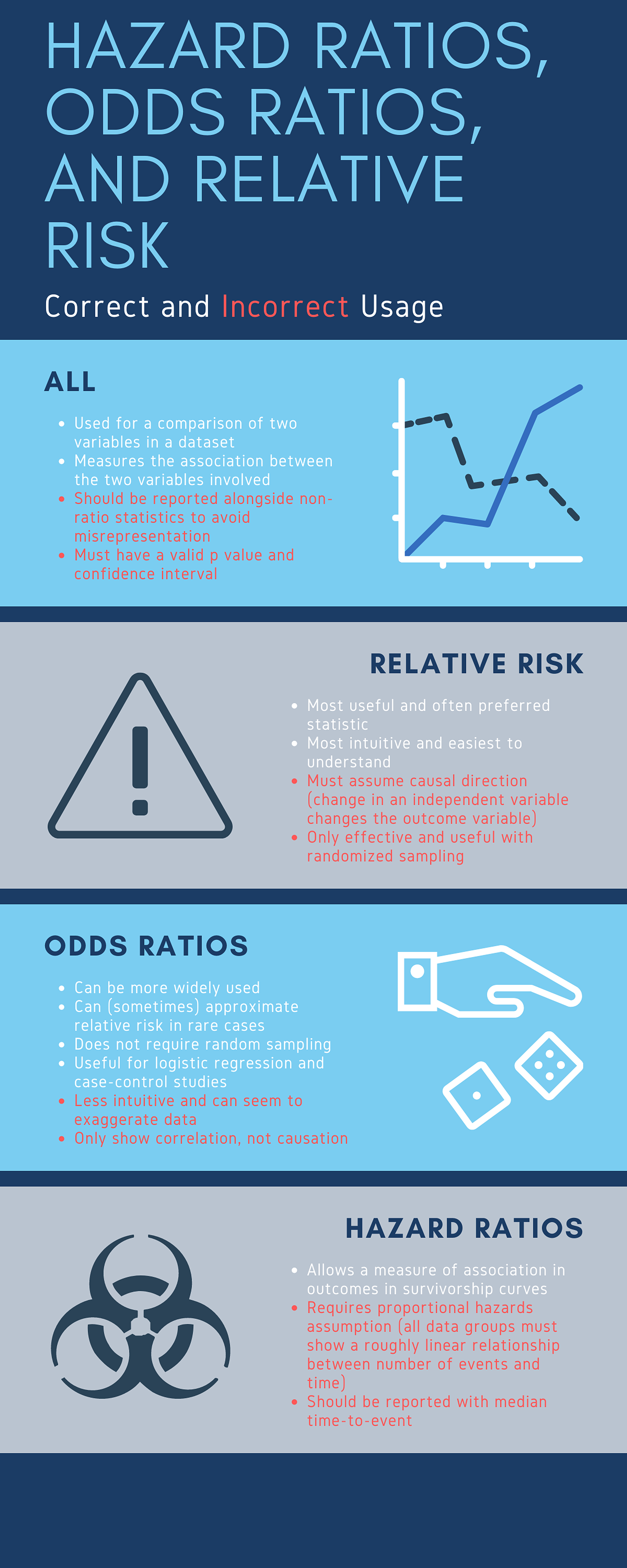
Cureus What S The Risk Differentiating Risk Ratios Odds Ratios And Hazard Ratios
2

Measures Of Effect Relative Risks Odds Ratios Risk Difference And Number Needed To Treat Kidney International


コメント
コメントを投稿